Responsible Tourism
Guardians of an Extraordinary Place
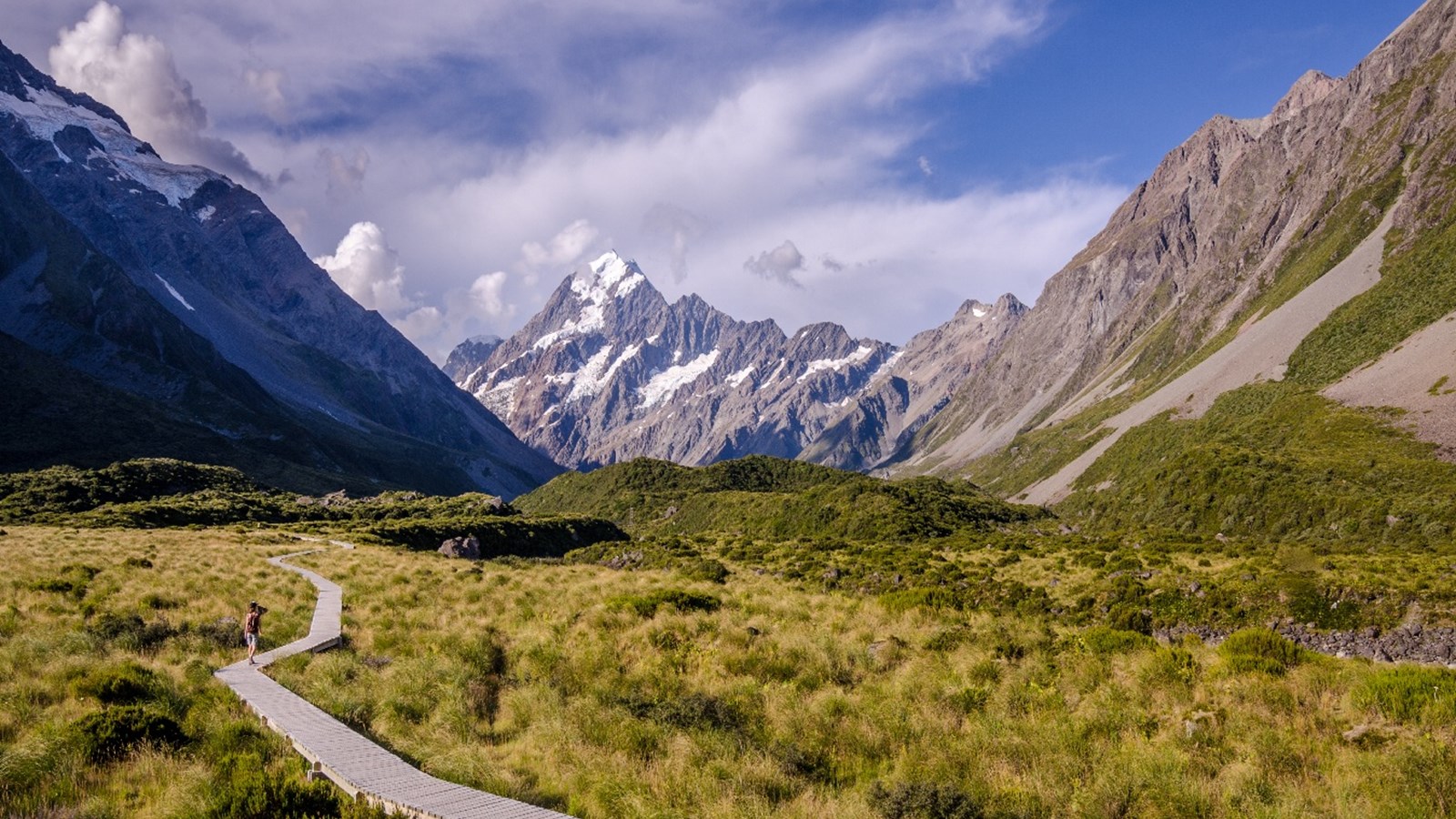
Nestled within a UNESCO World Heritage site, The Hermitage is more than a hotel, it is a steward of one of New Zealand's most precious natural landscapes. Operating in the heart of Aoraki / Mount Cook National Park is both a privilege and a responsibility.
Our commitment to sustainability shapes every decision we make, from the products in your bathroom to the food on your plate. We are continually looking for ways to minimise our impact and contribute positively to this remarkable place.

Water Use
Conserving Every Drop
Our water is gravity-fed from catchment tanks behind the hotel, a reminder that in a National Park, every drop matters. We've built water conservation into the fabric of your stay.
- Linen - Guest linen is changed every three days unless you request otherwise. This single initiative saves an estimated 900,000 litres of water every month.
- Towels - We wash towels on demand only, reducing both water and chemical use. Leave towels on the floor for a fresh set; hang them up to reuse.
- Water Pressure - Water pressure here is different from an urban hotel — a gentle reminder of the gravity-fed system that supplies us from the mountains above. Thank you for your patience and care.
- Plastic Water Bottles -Plastic water bottles are not provided in rooms, our tap water is perfectly safe to drink. Reusable bottles are available in our retail shop and can be filled in your room or at the café.

Recycling
Minimising Our Footprint
We take a whole-of-operation approach to waste, from supplier packaging to in-room amenities.
- Refillable Toiletries - All shampoo, conditioner and shower wash is dispensed from refillable pump bottles, proudly New Zealand-made, vegan certified, and cruelty-free. The Antipodes brand uses oceanbound material even for the bottles themselves, and donates to community groups across the Pacific.
- Plastic Bin Liners - Single-use plastic bag liners have been removed from all in-room bins, eliminating over 60,000 bin liners from landfill every year.
- Recycling Programme - Glass, plastic, tin, and cardboard are all recycled through the Department of Conservation. Supplier packaging is returned for reuse multiple times a week, and we prioritise reusable delivery crates wherever possible.
- Café Culture - Plastic straws have been replaced with paper alternatives throughout our dining outlets. The Sir Edmund Hillary Café uses BioPak packaging for all cups and food packaging.

Conservation & Wildlife
Protecting Biodiversity
We go beyond our walls to actively protect the native ecosystems that surround us.
Pest Trapping & Predator Control
We run ongoing pest trapping programmes around our properties, aligned with the Department of Conservation and community predator-control initiatives across the National Park. Our efforts specifically target invasive species, stoats, weasels, and ferrets, which pose a critical threat to native birdlife.
This work directly contributes to protecting the vulnerable endemic species that call this park home.
Direct Conservation Funding
Through our concession fees, we contribute millions of dollars annually to the Department of Conservation. These funds directly support:
- Protection of threatened species and fragile ecosystems
- Management of culturally significant sites
- Sustainable care of land and water resources
- Enabling iwi, communities and partners to participate in conservation
Every operational decision, including potential impacts on delicate alpine moss ecosystems, is assessed through a formal concession process, ensuring the highest level of environmental scrutiny.

Supply Chain
Food & Procurement
From kitchen to supplier, we prioritise choices that reduce our footprint and strengthen local communities.
- Responsible Food & Waste Management - Careful menu planning and demand forecasting minimise food waste across our restaurants. Surplus food is first made available to staff; organic waste is then composted and returned to the regional growing system, including native seedling propagation at our local nursery.
- Local & NZ-Focused Sourcing - We prioritise New Zealand-made products in our retail offering and source produce from the closest available suppliers wherever possible. Supporting local growers reduces food miles and strengthens our regional economy.
People & Place
Community & Engagement
Sustainability for us means people as much as planet; we're part of a small, close-knit community at the foot of Aoraki.
- Village Stakeholder Forums - We actively participate in local forums where waste management, water conservation and environmental initiatives are regularly discussed. These meetings include the local school and community groups, fostering both environmental collaboration and social contribution.
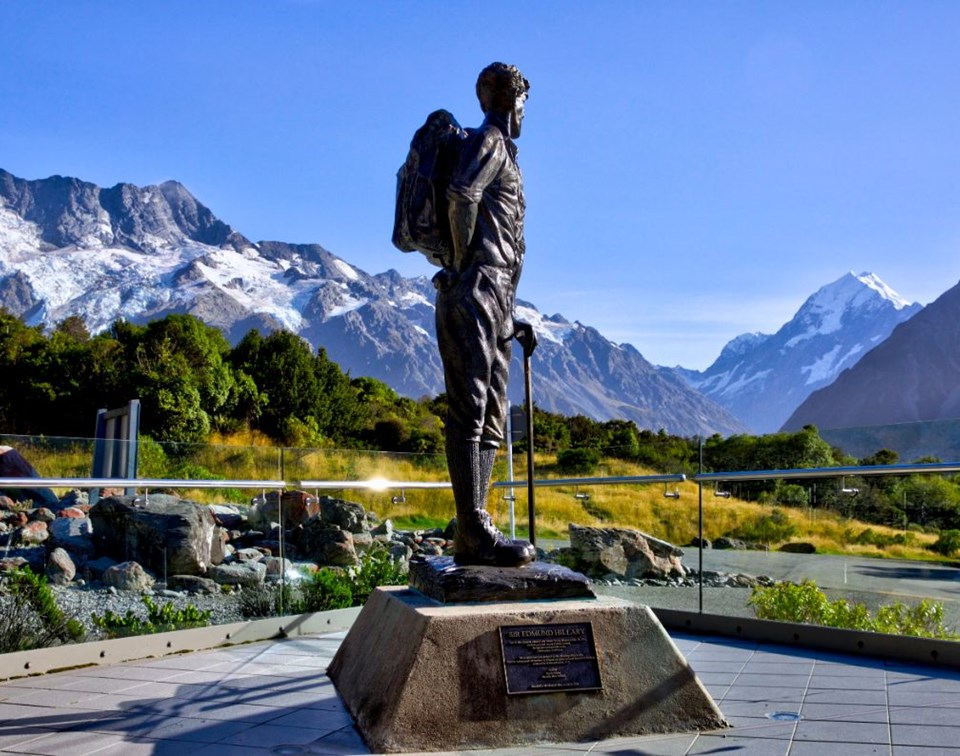
- Sir Edmund Hillary Foundation - A percentage of revenue from the Sir Edmund Hillary Museum is donated directly to the Sir Edmund Hillary Foundation, supporting social and environmental initiatives that honour Sir Edmund's enduring legacy.
Day-To-Day
How We Operate
Sustainability is built into how we run the hotel, in ways guests may never see, but always benefit from.
- Low-Emission Workforce - Staff accommodation sits within walking distance of the hotel. The majority of our team walk to work every day, an unusually low commute footprint compared to any urban hospitality operation.
- Water & Energy Monitoring - Consumption is tracked closely to identify usage patterns and drive ongoing efficiency improvements. Continuous measurement lets us act on data, not guesswork, when reducing our environmental footprint.
- Paperless Guest Compendium - We've moved from a printed in-room compendium to a fully digital version, eliminating more than 15,000 pages of paper every year.

Tiaki Promise
Tiaki means to care for people and place. As a signatory to this nationwide promise, developed by Tourism New Zealand, the Department of Conservation and five other leading organisations, we are committed to welcoming guests as fellow guardians of Aotearoa, encouraging all who visit to travel with care and respect for the land, its culture and its people.
Qualmark Gold
Qualmark Gold is New Zealand tourism's highest independent accreditation, awarded to businesses that lead in both guest experience and verified sustainability practice. We are evaluated across five pillars — Business Systems, Health & Safety, Environment, People, and Community & Culture — and our accreditation is recognised by the Global Sustainable Tourism Council (GSTC), aligning us with international best practice.
TIA Tourism Sustainability Commitment
The Tourism Sustainability Commitment is Tourism Industry Aotearoa's industry-wide framework with an ambitious vision: to lead the world in sustainable tourism, Toitū te taiao, toitū te tāpoi. As signatories, we are committed to 12 commitments spanning economic resilience, visitor experience, community engagement, carbon reduction and eliminating waste.
An Ongoing Commitment
We recognise that sustainability is not a destination; it is a continuous journey. Operating within a National Park environment requires constant evaluation, honest reflection, and genuine partnership with the land, its communities, and the people who visit.
We remain committed to reducing our footprint, strengthening conservation outcomes, and ensuring that every aspect of our presence here enhances, rather than diminishes, this extraordinary landscape. This page will grow as our programme grows, and we look forward to sharing more with you.